
The Foundation of High-Performance Degreasing
Introduction

The Rotajet swarf pre-washer is engineered as the critical first stage in industrial cleaning systems, removing heavy oil contamination, coolants, and particulates before precision washing begins.
In modern manufacturing, the cleanliness of swarf and machined components directly impacts downstream processes, material value, and final product quality. Industries such as aerospace, automotive, and metal recycling demand consistent, repeatable degreasing performance—and that begins with effective prewashing.
What is a Swarf Pre-Washer?
A swarf pre-washer is the primary cleaning stage in a multi-stage degreasing system. Its role is to remove bulk contamination before the main wash process.
Rotajet pre-washers are designed to remove up to 60–80% of contamination at source, protecting downstream systems and improving overall performance.
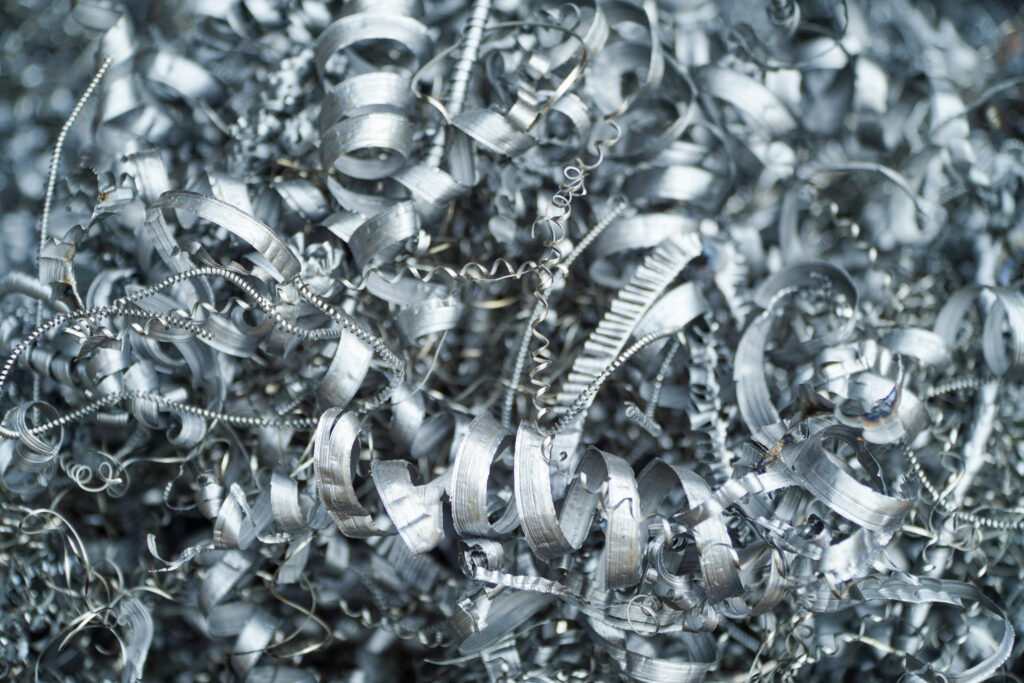
Why Pre-washing is Critical
Without prewashing:
- Chemicals degrade faster
- Cleaning performance drops
- Maintenance increases
- Costs rise
Rotajet systems are engineered to control contamination at the front end, ensuring stable and efficient operation.
How the Rotajet Pre-washer Works
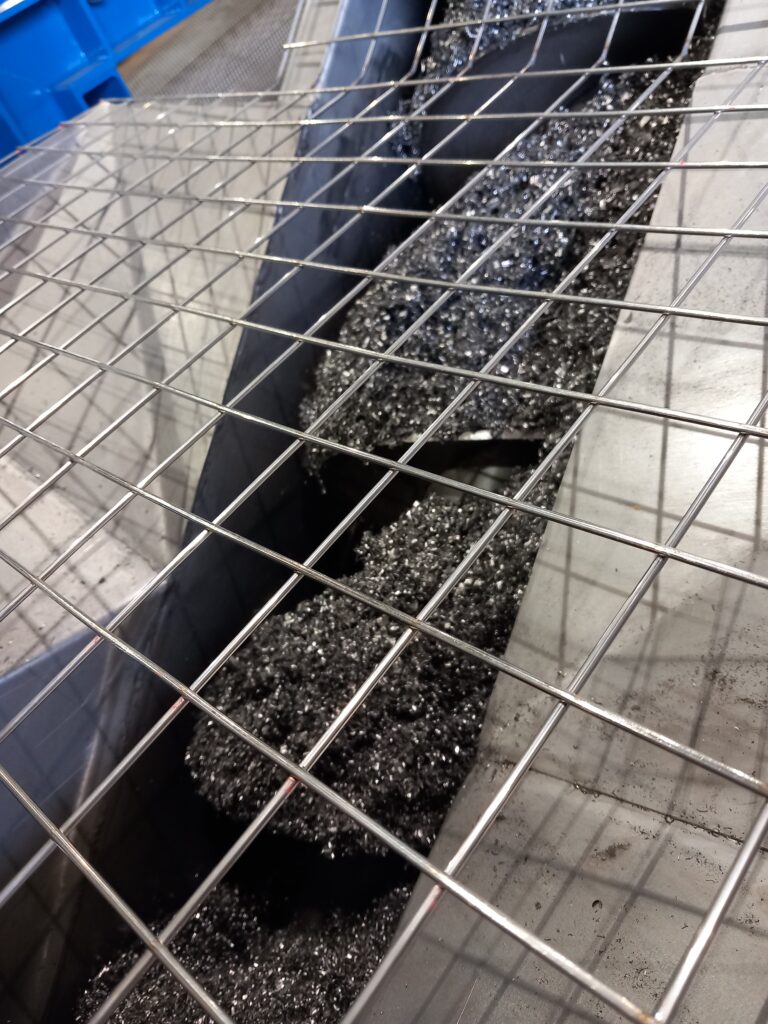
The system combines:
- Heated solutions (50–80°C)
- High-impact spray systems
- Mechanical agitation
- Filtration and recirculation
This ensures maximum contamination removal before precision cleaning begins.
Applications
- Aerospace (titanium & superalloys)
- Automotive machining
- Metal recycling
- Precision engineering
Conclusion
The Rotajet swarf prewasher is the foundation of high-performance degreasing systems, delivering consistent, efficient, and cost-effective cleaning.
Related Articles
Case Studies
- <100 ppm carbon achieved
- 60% increase in throughput
- Reduced wash cycles
- Improved drying
Frequently Asked Questions
1. What is a pre-washer in swarf degreasing?
A pre-washer removes bulk oil and contamination before precision cleaning begins. Rotajet systems are engineered for high contamination loads.
2. Why is pre-washing necessary?
Prewashing prevents contamination entering the main wash stage, improving efficiency and reducing costs. Rotajet systems stabilise the entire cleaning process.
3. Can I run a system without a pre-washer?
It is not recommended. Rotajet integrates prewash stages into all high-performance systems.
4. What does a pre-washer remove?
It removes oils, coolants, swarf fines, and carbon residues—typically up to 60–80% contamination.
5. Is prewashing always required?
For high contamination applications like swarf, yes. Rotajet systems are designed with prewash stages as standard.
6. What temperature should a pre-washer operate at?
Typically between 50°C and 80°C to improve oil breakdown. Rotajet optimises temperature for each application.
7. How long is a prewash cycle?
Usually between 1–5 minutes depending on contamination and throughput.
8. What chemicals are used?
Alkaline detergents are commonly used. Rotajet advises during trials.
9. Can it remove heavy oil?
Yes. Rotajet systems are designed for high oil-load applications.
10. How is contamination separated?
Through filtration, oil separation, and recirculation systems integrated by Rotajet.
11. How much oil can be removed?
Up to 60–80% before the main wash stage.
12. Does it improve drying?
Yes. Removing oil early improves drying efficiency significantly.
13. Can it reduce carbon levels?
Yes. Rotajet systems support low carbon requirements in high-spec industries.
14. What cleanliness levels can be achieved?
Often below 100 ppm depending on system design.
15. Does it increase throughput?
Yes. Prewashing stabilises the system and reduces downtime.
16. What pump sizes are used?
Depends on system size and requirements. Rotajet engineers each system individually.
17. How are spray systems designed?
Based on material type, contamination, and throughput requirements.
18. What filtration is used?
Multi-stage filtration removes solids and fines effectively.
19. Can systems be automated?
Yes. Rotajet systems are fully automated where required.
20. What materials are used in construction?
Typically stainless steel for durability and corrosion resistance.
21. Does it reduce water usage?
Yes. Rotajet systems incorporate recirculation.
22. Can water be reused?
Yes. Closed-loop systems are available.
23. How is effluent handled?
Through filtration and controlled discharge systems.
24. Are closed-loop systems possible?
Yes. Rotajet designs closed-loop solutions.
25. What are environmental benefits?
Reduced water use, lower waste, improved sustainability.
26. Can it clean titanium swarf?
Yes. Rotajet systems are proven in titanium applications.
27. Is it suitable for aluminium?
Yes. Suitable for a wide range of metals.
28. Can it handle mixed materials?
Yes, with correct system design.
29. Is it used in aerospace?
Yes. Rotajet systems are widely used in aerospace.
30. Can it process oily waste?
Yes. Designed for high oil contamination.
31. Can it be added to existing systems?
In many cases, yes.
32. How does it link to drying?
Improves drying by reducing oil content early.
33. What comes after prewash?
Main wash, rinse, and drying stages.
34. Can systems be modular?
Yes. Rotajet systems are modular.
35. Is it suitable for continuous lines?
Yes. Designed for continuous operation.
36. What does a prewasher cost?
Depends on system size and specification.
37. Is rental available?
Yes. Rotajet offers rental options.
38. What is the ROI?
Reduced costs, improved efficiency, and increased throughput.
39. Can I trial the process?
Yes. Trials are available at Rotajet’s Wakefield facility.
40. What support does Rotajet offer?
Full support including design, trials, installation, and commissioning.
Visit Degreasing Machines to learn more or to get in contact with us.