How to Choose the Right Parts Washer for Your Process

Selecting the right industrial degreasing machine is no longer just about cleaning parts — it’s about ensuring process reliability, meeting UK environmental regulations, and maintaining consistent product quality.
Across sectors such as aerospace, rail, automotive, defence, and general manufacturing, industrial cleaning has become a critical control point. Poor degreasing leads to rejected components, coating failures, premature wear, and costly downtime.
Yet many UK businesses still choose equipment based purely on price — rather than process suitability.
This guide explains how to choose the right system, what to consider during specification, and how engineered solutions from Rotajet are helping manufacturers improve efficiency and reduce costs.
For a full technical deep dive, read:
Why Industrial Degreasing Is More Critical Than Ever in the UK
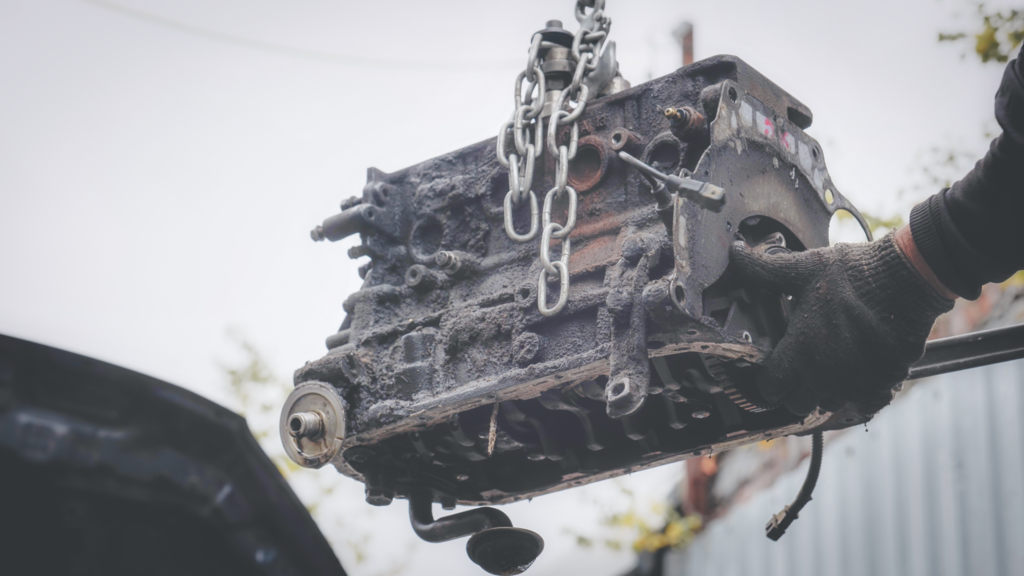
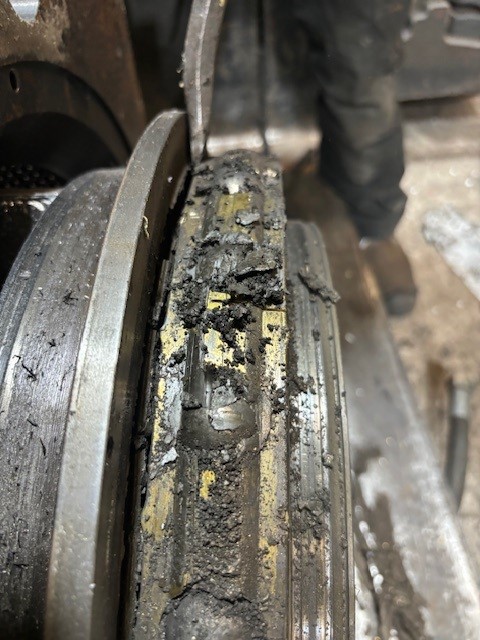
Modern production processes generate increasingly complex contamination:
- Heavy oils and greases
- Metal swarf and particulates
- Coolants and emulsions
- Carbon residues and burnt-on deposits
- Chemical residues from previous processes
If not removed effectively, these contaminants can:
- Prevent coatings, bonding, and assembly
- Lead to component failure in service
- Cause cross-contamination in production lines
- Fail quality and compliance audits
For workplace safety guidance, see:
Step 1: Define Your Contamination and Cleaning Objective
Before selecting any industrial degreasing machine, you must clearly define:
- Contamination type (oil, particulate, carbon, chemical)
- Contamination level (light to heavy)
- Component complexity
- Required cleanliness standard
For example:
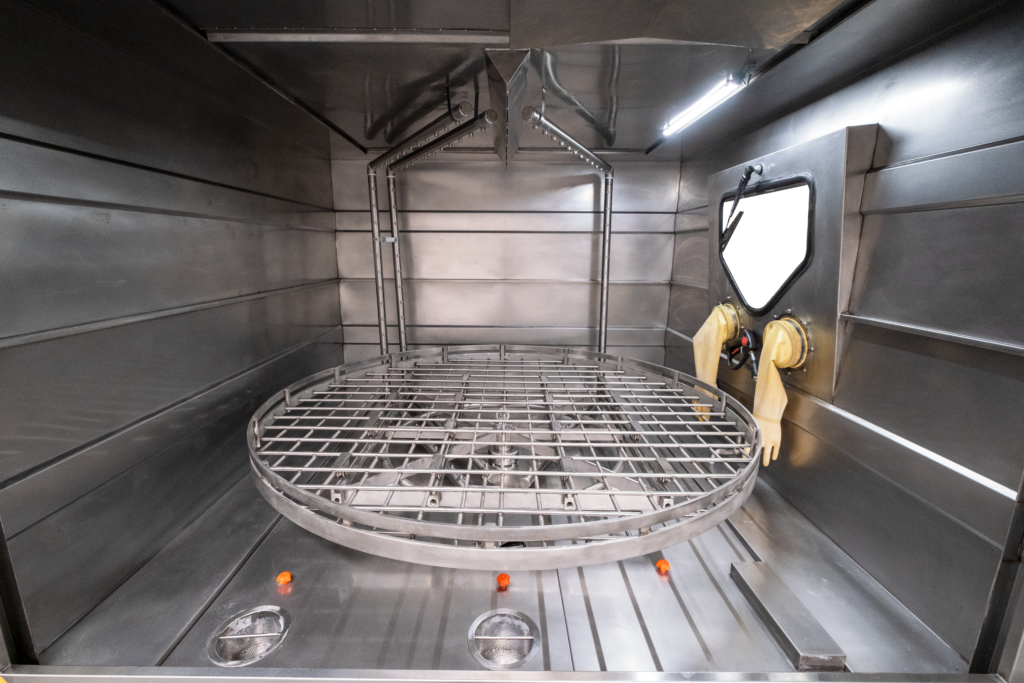
- Heavy oil and swarf → requires high-impact spray washing
- Complex components → require multi-stage cleaning
- Critical applications → require validated rinse processes
Step 2: Choose the Right Industrial Degreasing Technology
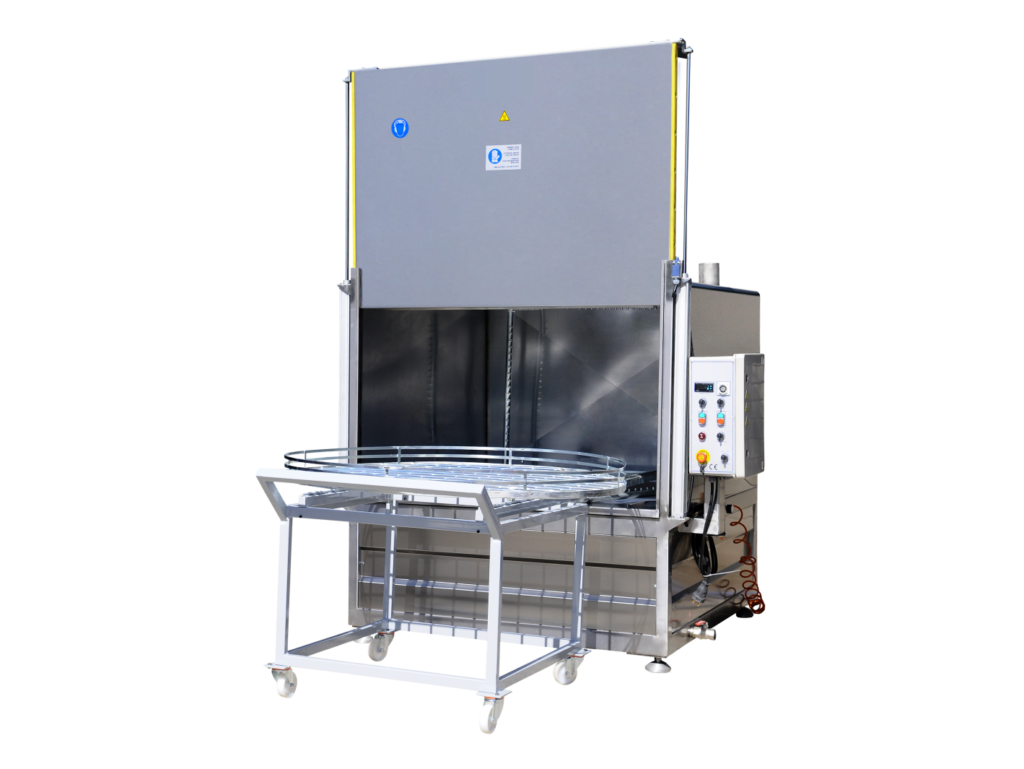
Spray Washing Machines (Most Common in the UK)
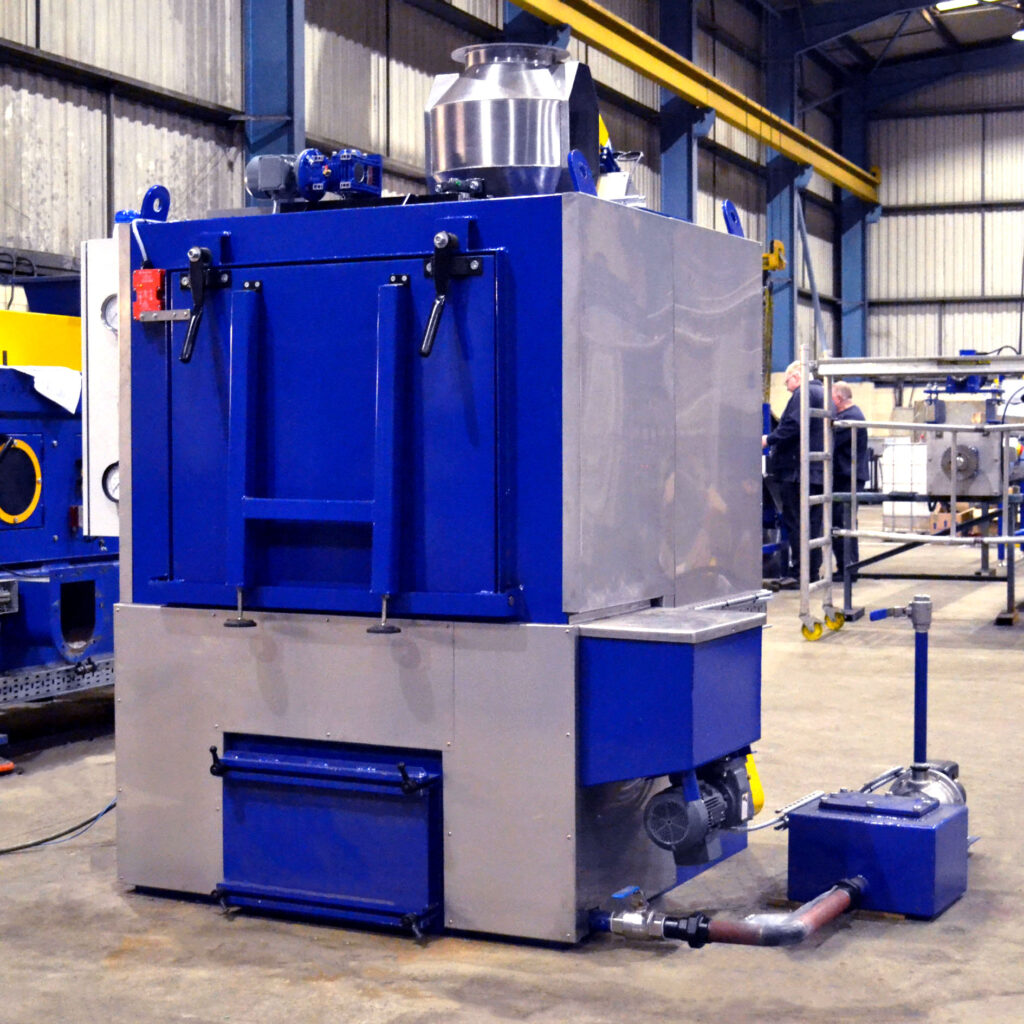
Spray washing systems form the backbone of industrial parts cleaning in the UK.
They use:
- Heated aqueous detergents
- High-pressure spray nozzles
- Rotating baskets or indexed fixtures
- Multi-stage cleaning processes
These machines are ideal for:
- Machined components
- Automotive parts
- Aerospace applications
- Fabricated assemblies
Rotajet spray washing systems are engineered for repeatability, durability, and high-throughput industrial environments.
Multi-Stage Degreasing Systems
For higher specifications, a multi-stage process is essential:
- Pre-wash – removes heavy contamination
- Main wash – heated detergent cleaning
- Rinse – removes residues and chemicals
- Optional drying – air or thermal
This approach ensures:
- Consistent cleanliness
- Reduced chemical carryover
- Improved process control
High-Pressure & Precision Cleaning
For complex or high-value components:
- High-pressure systems clean internal geometries
- Controlled rinsing prevents contamination carryover
- Repeatable cycles ensure consistent results
Step 3: Water Management, Filtration & Sustainability
Water and effluent handling are key cost and compliance drivers.
Modern Rotajet systems incorporate:
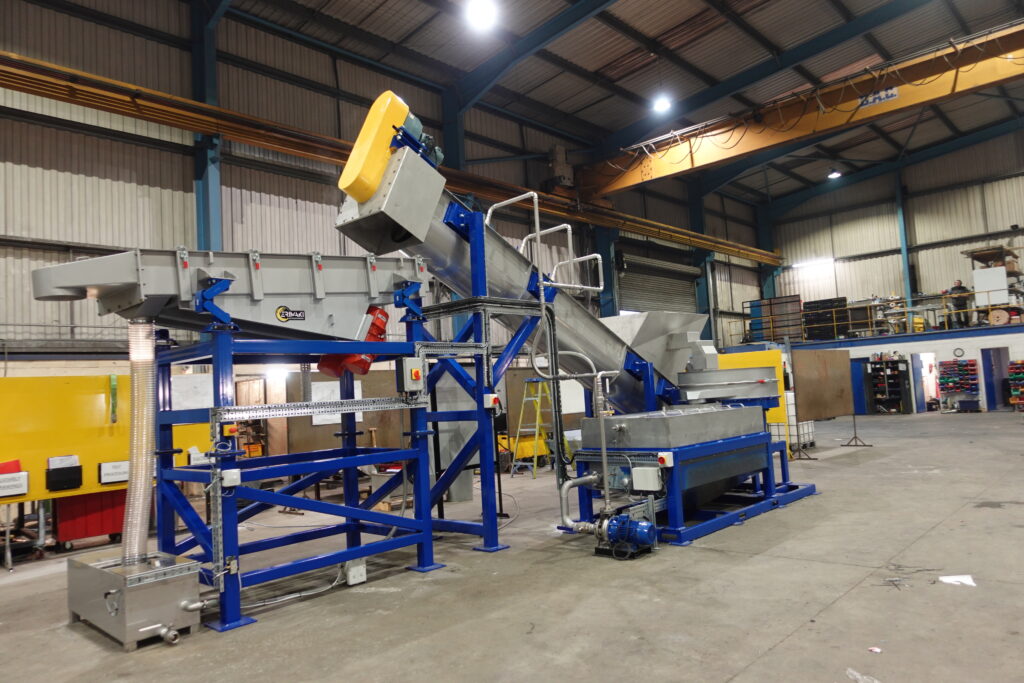
- Recirculated wash tanks
- Oil separation systems
- Multi-stage filtration
- Controlled rinse overflow
Closed-loop systems reduce:
- Water usage
- Chemical consumption
- Effluent discharge
These principles are also applied in high-contamination processes where water recirculation improves efficiency and sustainability

For environmental guidance:
Step 4: UK Compliance & Environmental Considerations
Industrial degreasing must comply with:
- Environmental discharge regulations
- COSHH requirements
- Wastewater handling standards
Failure to consider compliance early can result in:
- Additional capital costs
- System redesigns
- Operational restrictions
Leading UK manufacturers now integrate compliance at the design stage.
Step 5: Throughput, Automation & Process Integration
A properly specified system must align with production requirements.
Key considerations:
- Required throughput
- Batch vs continuous operation
- Manual vs automated handling
- Integration with production lines
Incorrect specification can lead to:
- Bottlenecks
- Increased labour costs
- Reduced efficiency
Step 6: Engineering the Full Cleaning Process
Effective degreasing systems go beyond the machine itself.
A complete solution includes:
- Material handling systems
- Chemical dosing and monitoring
- Heating systems (electric or steam)
- Filtration and water treatment
- Integration with upstream processes
Rotajet systems are engineered around the entire cleaning process, ensuring optimal performance and long-term reliability.
Why UK Manufacturers Choose Rotajet
Rotajet is a UK-based manufacturer specialising in industrial parts washing and degreasing systems.
Key benefits:
- UK design and manufacturing
- Application-specific engineering
- Multi-stage cleaning expertise
- Integration with production lines
- Trial capability at the Wakefield facility
- Factory Acceptance Testing (FAT)
This ensures systems are validated before installation — reducing risk and improving performance.
Buy, Rent or Contract Cleaning
Rotajet offers flexible deployment options:
Buy
- Long-term investment
- Full control
- Maximum ROI
Rent
- Low upfront cost
- Fast installation
- Scalable solutions
Contract Cleaning
- No capital investment
- Outsource cleaning
- Focus on production
Send Your Parts for Trial (Wakefield Facility)
Not sure which system is right?
Rotajet offers trial testing at our Wakefield facility, allowing you to:
- Validate cleaning performance
- Test different process configurations
- Optimise chemical and water usage
- Confirm cycle times and throughput
This ensures your system is proven before investment.
When to Go Further
If you are specifying equipment or comparing suppliers, a deeper understanding is essential.
Industrial Parts Washers: The Complete Guide to Industrial Parts Cleaning Systems
Final Thoughts
Industrial degreasing machines are not just cleaning equipment — they are critical to product quality, compliance, and operational efficiency.
By taking a structured, engineering-led approach, UK manufacturers can achieve:
- Higher cleaning standards
- Lower operating costs
- Improved sustainability
- Greater reliability
With the right system — and the right partner — industrial cleaning becomes a competitive advantage.
FAQ’s
What is the best industrial degreasing method?
The best method depends on contamination type and component complexity. For most UK manufacturers, aqueous spray washing systems provide the best balance of performance, cost, and environmental compliance.
How much does an industrial parts washer cost in the UK?
Costs vary depending on size, specification, and automation. Entry systems may start from tens of thousands, while fully automated multi-stage systems can exceed six figures.
What industries use industrial degreasing machines?
Industries include aerospace, automotive, rail, defence, medical, and general manufacturing.
How can I reduce water usage in degreasing?
Using recirculated wash systems, filtration, and closed-loop water systems significantly reduces water consumption and effluent.
Can I rent or outsource industrial cleaning? Yes. Many UK manufacturers now choose rental or contract cleaning options to reduce capital investment and improve flexibility.
Visit Degreasing Machines to learn more, or to get in contact with us.