The Complete Guide to Surface Preparation Processes
Industrial surface treatment processes are a fundamental part of modern manufacturing, where materials must be cleaned, prepared or chemically modified. Across many engineering industries, the condition of a material’s surface directly influences product quality, corrosion resistance and long-term reliability.
Manufacturing processes such as machining, forming, welding and heat treatment often leave contaminants on component surfaces. If these contaminants remain on the surface of components they can interfere with downstream manufacturing processes.
Rotajet Systems Ltd works with manufacturers to support surface preparation through both industrial cleaning equipment and contract cleaning services, helping companies maintain consistent component cleanliness and production efficiency.
This guide explains the most common industrial surface treatment processes, how they are used across different industries and how manufacturers can integrate these technologies into modern production systems.
Table of Contents
Why Surface Preparation Matters in Manufacturing
Surface preparation plays a critical role in ensuring the performance and reliability of manufactured products. Without proper surface preparation, contamination left on components can cause failures during production or during the product’s service life. One of the most common problems associated with poor surface preparation is coating adhesion failure. Protective coatings such as paint, powder coatings or plating rely on strong adhesion between the coating material and the underlying substrate.
Corrosion resistance can also be affected by surface contamination. Stainless steel components, for example, rely on a thin protective oxide layer that forms naturally on the surface of the metal. If contamination remains on the surface, it can lead to premature rust formation. Surface preparation is also critical in precision manufacturing industries where cleanliness requirements are extremely strict. In aerospace manufacturing, small particles or residues left on components can affect fuel systems, hydraulic systems or other critical components.
Sources of Surface Contamination
One of the most common sources of contamination is machining fluids. Cutting oils and coolant fluids are widely used in machining processes such as turning, milling and drilling. These fluids reduce friction, improve tool life and assist in cooling the cutting zone during machining. However, after machining operations are complete these fluids remain on the surface of components and must be removed before the components can proceed to the next stage of production.
Grinding and finishing operations can also generate fine particulate contamination in the form of metal dust or abrasive particles. These particles may adhere to component surfaces and require cleaning before assembly or coating operations. Heat treatment processes may create oxide scale on metal surfaces. This scale must often be removed through pickling or mechanical cleaning before the component can be used.
Categories of Surface Cleaning
Shot Blasting
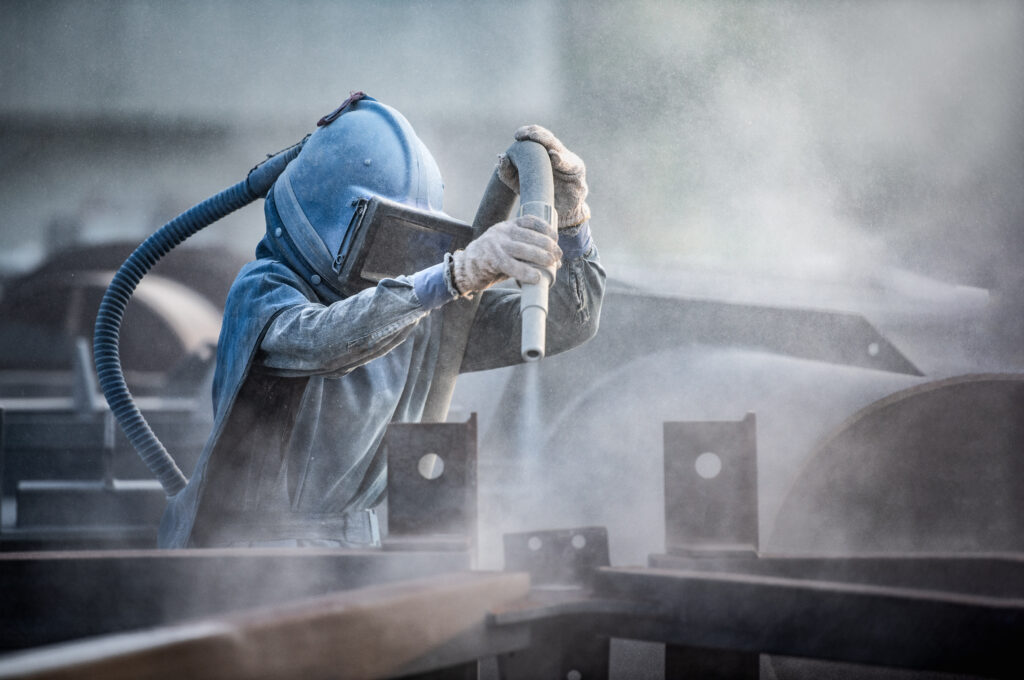
One of the most widely used mechanical surface treatment methods is shot blasting. During shot blasting, abrasive particles such as steel shot or grit are propelled at high velocity toward the surface of the component. The impact of these particles removes rust, scale and other contaminants from the surface.
Acid Pickling
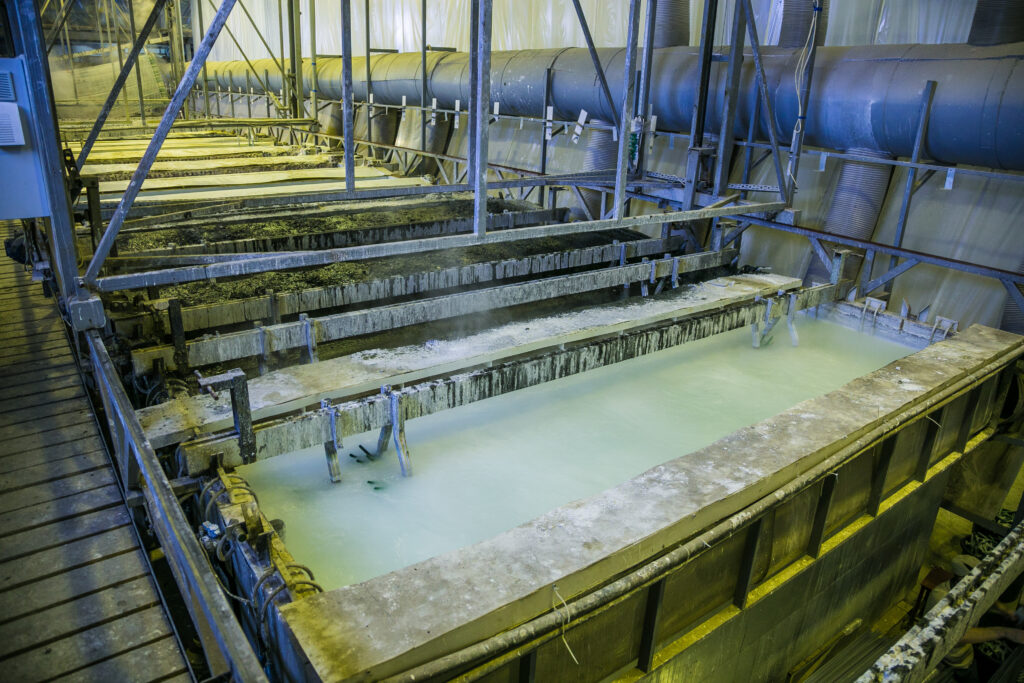
An important chemical surface treatment process is acid pickling, which removes oxide scale from metal surfaces. Pickling is often used on stainless steel components following welding or heat treatment operations.
Industrial Degreasing
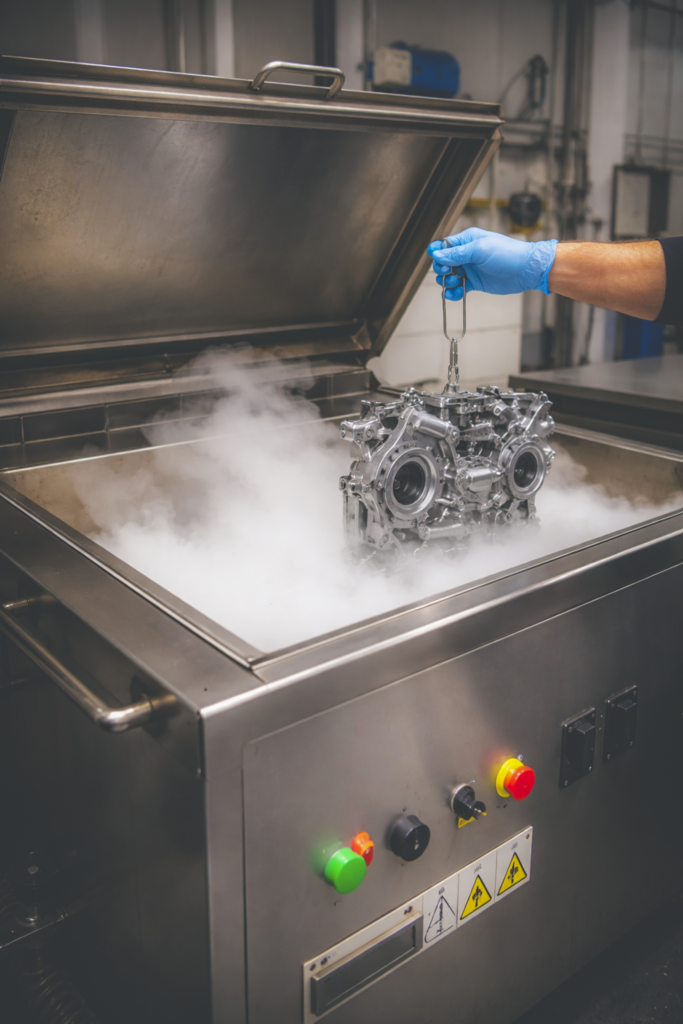
One of the most widely used chemical cleaning processes is industrial degreasing, which removes oils and machining fluids from component surfaces. Degreasing may be performed using aqueous detergents, spray washing systems or ultrasonic cleaning equipment depending on the application.
Ultrasonic Cleaning
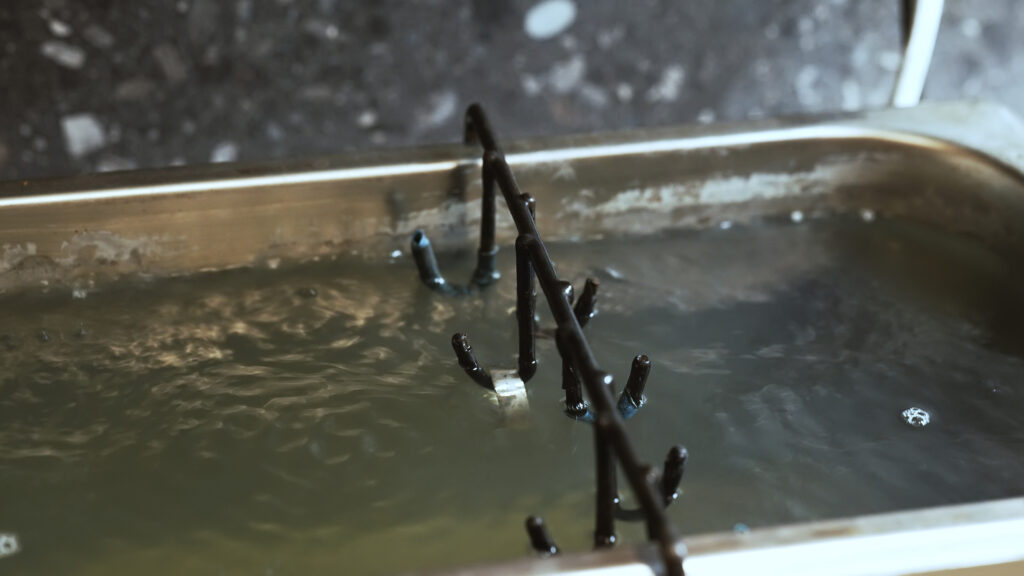
Ultrasonic cleaning is widely used in precision manufacturing industries where extremely high levels of cleanliness are required. Unlike conventional cleaning systems which rely primarily on spray pressure or mechanical agitation, ultrasonic cleaning uses high-frequency sound waves to remove contamination from component surfaces.
Vapour Degreasing
Vapour degreasing is a highly effective cleaning process used to remove oils and contaminants from precision components. Unlike aqueous degreasing systems which use water-based detergents, vapour degreasing uses heated solvent vapours to dissolve oils and residues.
Pyrolysis Burn-off
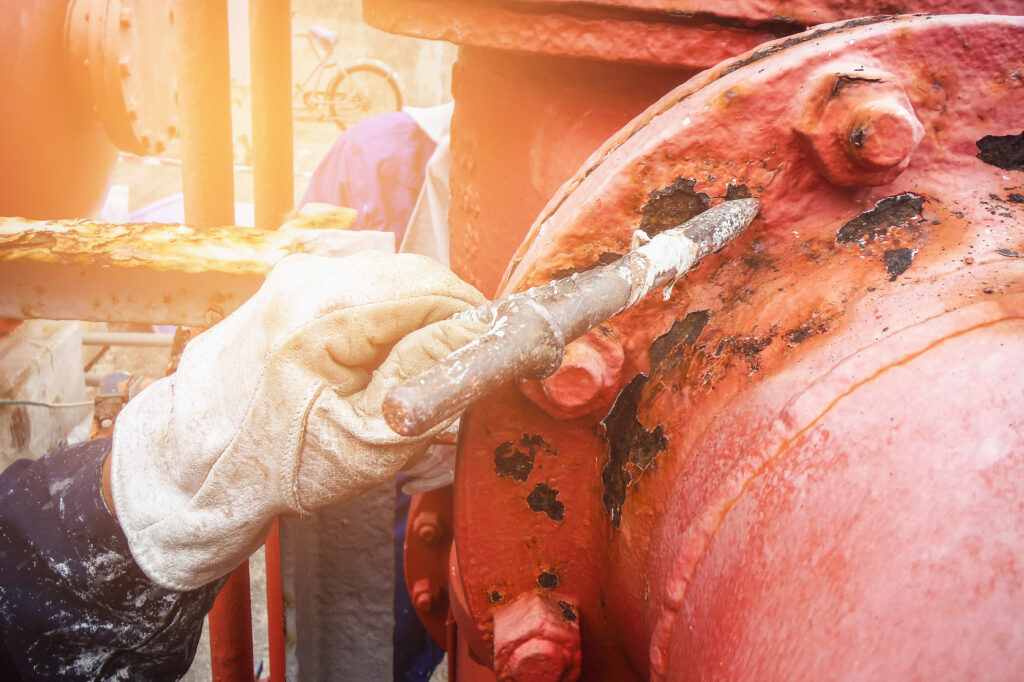
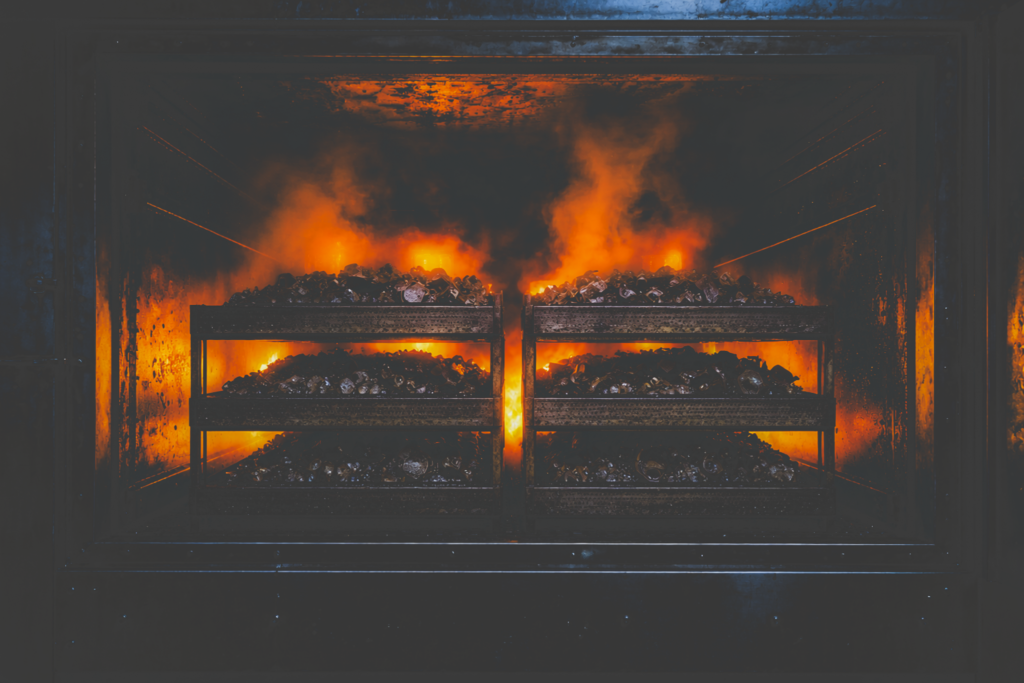
Thermal cleaning processes are widely used in industry to remove organic contamination such as polymers, paints, coatings and adhesives from metal components. These processes use controlled high temperatures to break down organic materials so they can be removed from the component surface.
Precision Component Cleaning
Precision component cleaning refers to the removal of microscopic contamination from manufactured components. In many sectors, even extremely small particles or residues can affect product performance or reliability.
Precision cleaning processes often involve multiple stages including degreasing, ultrasonic cleaning, rinsing and drying. These stages ensure that oils, particles and other contaminants are completely removed from component surfaces.
Components that commonly require precision cleaning include:
aerospace components
medical implants and surgical instruments
electronic assemblies
optical components
fuel system components
Rotajet works with manufacturers to support precision component cleaning through both equipment supply and contract cleaning services, helping companies achieve consistent levels of cleanliness for critical components.
Surface treatment processes are used to prepare or modify the surface of a material before further manufacturing operations. These processes remove contamination, improve corrosion resistance or create the correct surface condition for coating adhesion.
Surface coating processes involve applying a protective or decorative layer to the surface of a material. Examples include painting, powder coating, plating and anodising.
Contract Surface Treatment Services
Contract cleaning services provide manufacturers with access to advanced industrial cleaning processes without installing equipment on site. In a contract cleaning arrangement, components are sent to a specialist facility where cleaning processes are performed using dedicated equipment. Once cleaning is complete the components are returned ready for further manufacturing or assembly operations. Contract surface treatment services may include a wide range of processes such as:
industrial degreasing
ultrasonic cleaning
vapour degreasing
pickling
thermal cleaning and burn-off processes
paint and coating removal
Rotajet supports manufacturers through contract industrial cleaning services, providing surface preparation processes for components used in aerospace, automotive, defence and precision engineering industries.
Surface Treatment Process Design and Plant Intergration
Modern manufacturing environments often require automated cleaning processes that operate alongside machining, fabrication or assembly operations. These systems must be designed to handle specific contamination types while maintaining production throughput and reliability.
Rotajet works with manufacturers to design and integrate surface treatment systems tailored to individual production requirements. This process typically begins with an evaluation of the contamination present on components and the cleanliness standards required for downstream processes. Surface treatment systems may also incorporate additional technologies such as:
filtration systems for removing contaminants from cleaning fluids
oil separation systems for extending fluid life
automated drying systems
material handling systems for continuous production lines
Surface Treatment in Modern Manufacturing
Modern production environments require consistent cleaning results while minimising environmental impact and operational costs. Advances in cleaning technology have therefore focused on improving energy efficiency, reducing chemical consumption and optimising water usage.
Closed-loop filtration systems are increasingly used to extend the life of cleaning fluids while reducing wastewater generation. Automated cleaning systems allow manufacturers to integrate surface preparation processes directly into production lines, reducing manual labour and improving process consistency. These developments allow manufacturers to maintain high cleanliness standards while improving the sustainability of their operations.
Surface Treatment Solutions from Rotajet Systems
Rotajet Systems Ltd supports manufacturers worldwide with industrial cleaning technologies designed for demanding production environments. We also support manufacturers through specialist contract cleaning services, allowing companies to access advanced surface treatment processes without installing equipment on site.
Manufacturers can also conduct cleaning trials using their own components to confirm the effectiveness of surface treatment processes before implementing equipment within their production facilities.
Industrial surface treatment refers to processes used to clean, prepare or chemically modify the surface of materials before manufacturing operations such as coating, welding or assembly.
Surface treatment may be outsourced when specialised equipment is required, cleaning volumes vary or when manufacturers prefer not to install complex cleaning systems within their facilities.
This website uses cookies to improve your experience. We'll assume you're ok with this, but you can opt-out if you wish.AcceptRejectRead More
Privacy & Cookies Policy
Privacy Overview
This website uses cookies to improve your experience while you navigate through the website. Out of these, the cookies that are categorized as necessary are stored on your browser as they are essential for the working of basic functionalities of the website. We also use third-party cookies that help us analyze and understand how you use this website. These cookies will be stored in your browser only with your consent. You also have the option to opt-out of these cookies. But opting out of some of these cookies may affect your browsing experience.
Necessary cookies are absolutely essential for the website to function properly. This category only includes cookies that ensures basic functionalities and security features of the website. These cookies do not store any personal information.
Any cookies that may not be particularly necessary for the website to function and is used specifically to collect user personal data via analytics, ads, other embedded contents are termed as non-necessary cookies. It is mandatory to procure user consent prior to running these cookies on your website.