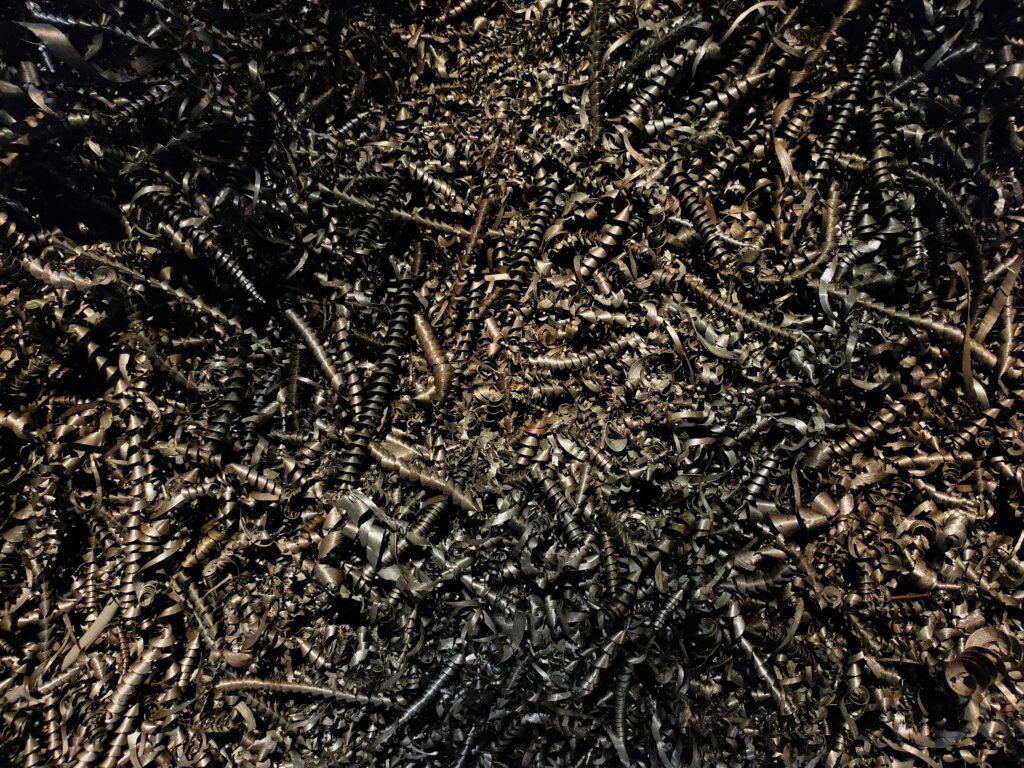
Manufacturers across the aerospace, automotive, defence, nuclear and precision engineering sectors generate significant quantities of metal swarf every day. Whilst often viewed as a by-product of machining operations, this material can represent a substantial source of value when processed correctly.
High-value metals such as titanium, Inconel®, nickel alloys, stainless steel, copper and aluminium can command strong recycling returns. However, contamination from cutting oils, coolants, lubricants and machining residues can significantly reduce their value and create additional handling and disposal costs.
As metal prices continue to fluctuate and sustainability targets become increasingly important, more manufacturers are exploring ways to recover greater value from their machining waste. One of the most effective methods is through the use of a Swarf Burn Off Oven, a proven solution for removing organic contaminants and preparing metal swarf for recycling, briquetting or remelting.
What is a Burn Off Oven?
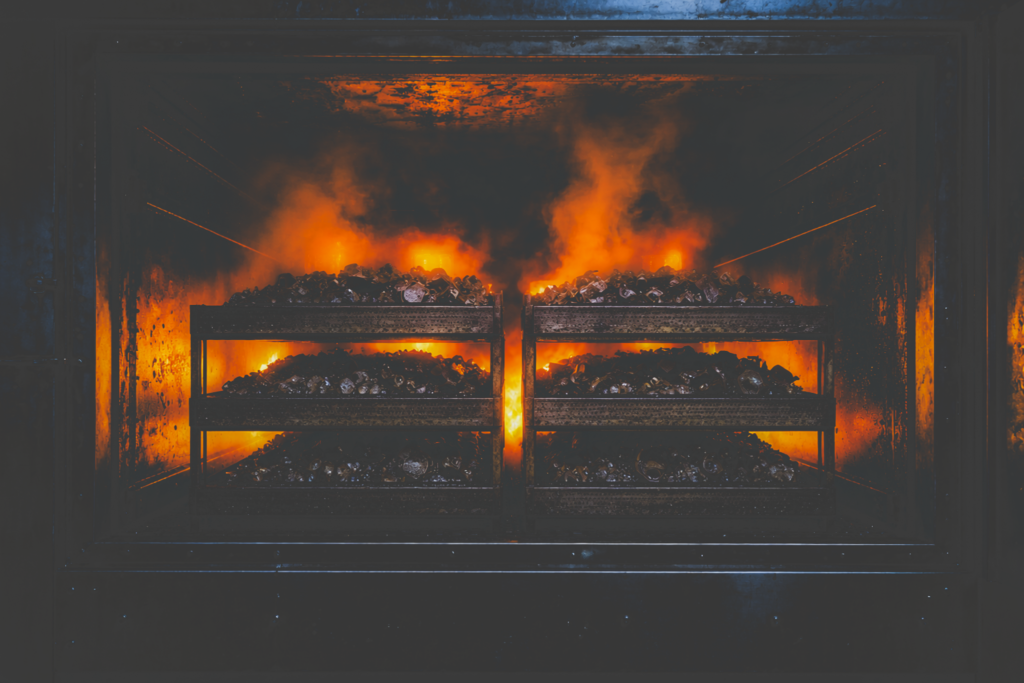
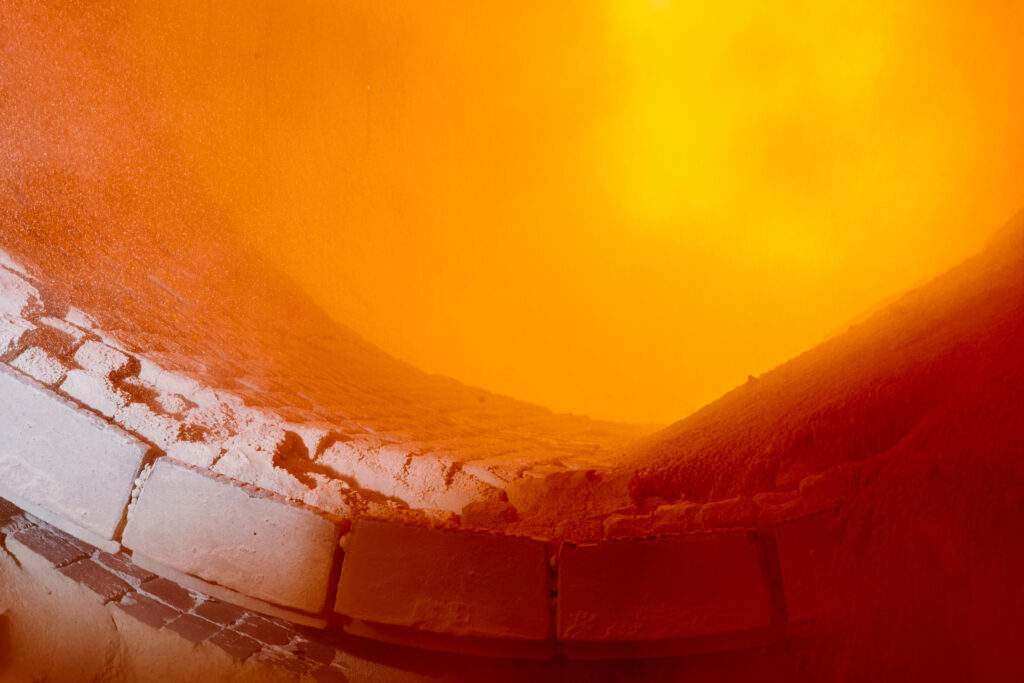
A Swarf Burn Off Oven is a specialised thermal cleaning system designed to remove oils, coolants, lubricants and other organic contaminants from metal swarf and turnings.
The process works by carefully heating contaminated material within a controlled environment. As temperatures increase, oils and organic compounds are thermally oxidised and removed from the metal surface, leaving behind clean, dry material suitable for further processing.
Unlike conventional washing methods, thermal burn off technology can be particularly effective when dealing with heavily contaminated swarf, difficult-to-clean alloys and applications where residual oils can negatively impact recycling performance.
The result is a cleaner, higher-quality material that is easier to handle, transport and recycle.
Why is Metal Swarf Cleaning Important?
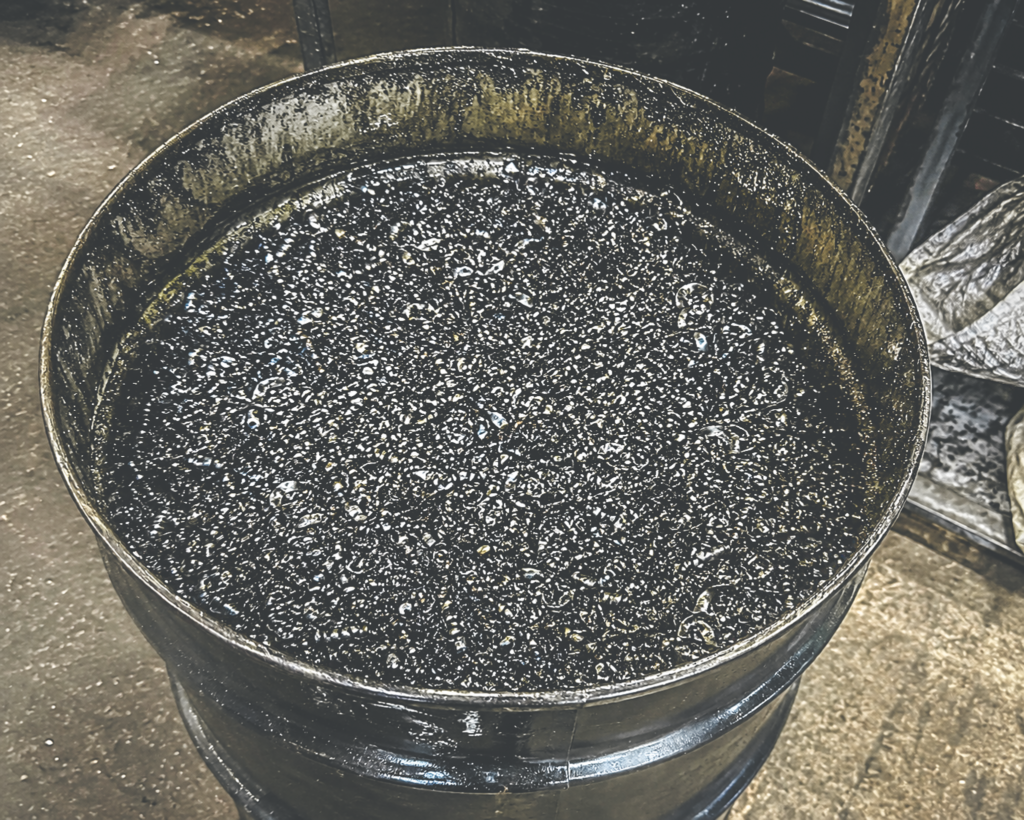
Freshly machined swarf is rarely clean. During machining operations, metal turnings become coated with cutting fluids, coolants and fine particulate matter. Whilst these substances are essential during production, they can create challenges once the material enters the recycling stream.
Contaminated swarf can:
- Reduce scrap value
- Increase transport costs
- Create handling and storage issues
- Affect briquetting performance
- Introduce contamination during remelting
- Increase waste disposal costs
For manufacturers processing expensive alloys, even small improvements in material recovery can result in substantial financial benefits over time.
Effective metal swarf cleaning helps ensure that valuable materials retain as much of their potential recycling value as possible.
Suitable Materials for Swarf Burn-Off Processing
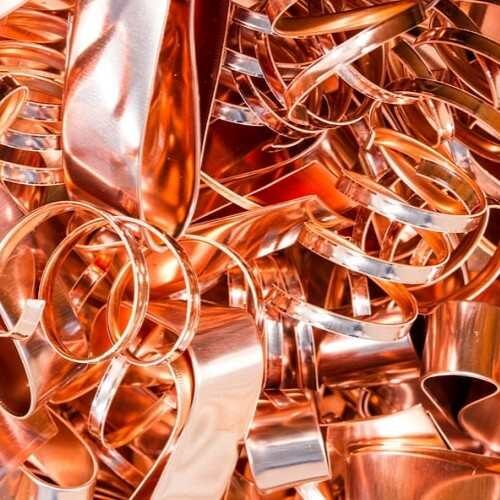
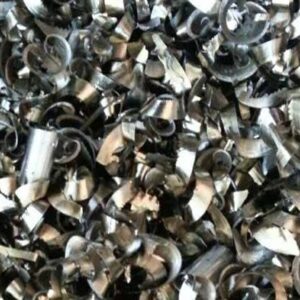
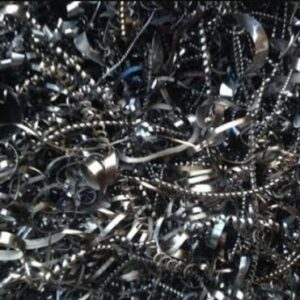
Many of these materials are widely used within aerospace and defence manufacturing where material costs are high and recycling efficiency is particularly important.
Titanium swarf cleaning and Inconel swarf cleaning have become increasingly important as manufacturers seek to maximise recovery rates from high-value machining operations.
Benefits of Swarf Burn Off Ovens
Improved Recycling Value
One of the primary benefits of a Swarf Burn Off Oven is the ability to improve the value of recyclable material.
Clean metal typically achieves higher recycling returns than contaminated material. By removing oils and machining residues, manufacturers can often achieve improved scrap prices and increase the overall value recovered from their waste streams.
Reduced Disposal Costs
In some cases, contaminated swarf may require specialist handling or disposal due to the presence of oils and coolants.
Removing these contaminants can help reduce disposal costs and simplify waste management procedures.
Enhanced Briquetting Performance
Many manufacturers compact swarf into briquettes before recycling or remelting.
Cleaner material generally produces higher-quality briquettes with improved density and reduced contamination, helping to optimise downstream recycling processes.
Improved Remelting Quality
Foundries and metal processors often prefer cleaner feedstock because it reduces contamination during the melting process.
Removing oils and residues before remelting can contribute to improved material quality and process efficiency.
Environmental Benefits
Recovering and recycling clean metal swarf supports sustainability initiatives by reducing waste, improving resource efficiency and promoting circular manufacturing practices.
For organisations working towards environmental targets, swarf cleaning can play an important role within broader sustainability programmes.
Contract Burn Off Services
Whilst many companies choose to invest in dedicated equipment, not every organisation generates sufficient volumes to justify an in-house system.
To address this requirement, Rotajet offers a professional Contract Burn Off Service.
This service allows manufacturers, engineering companies and recyclers to send contaminated swarf directly to Rotajet for processing.
Using proven cleaning technologies and extensive application knowledge, our engineers assess each material type and determine the most effective cleaning method.
Benefits of contract swarf cleaning include:
- No capital equipment investment
- Reduced operational burden
- Access to specialist expertise
- Suitable for trial quantities
- Suitable for ongoing production volumes
- Fast turnaround times
- Process recommendations for future projects
Contract cleaning can be particularly beneficial for companies handling specialist alloys such as titanium, Inconel® and nickel-based superalloys where maximising material recovery is critical.
Industries Benefiting from Swarf Burn Off Technology
Rotajet systems and services support customers across numerous industrial sectors, including:
- Aerospace Manufacturing
- Automotive Production
- Defence Engineering
- Nuclear Manufacturing
- Medical Engineering
- Precision Engineering
- Metal Recycling Facilities
- Foundries and Smelters
- Superalloy Processing Operations
Each application presents unique challenges regarding contamination levels, alloy composition and throughput requirements. As a result, Rotajet works closely with customers to develop solutions tailored to their specific needs.
Free Material Trials
Every swarf application is different. Material size, alloy type, contamination levels and production volumes all influence the most effective cleaning process.
That’s why Rotajet offers free material trials.
Customers can send representative samples to our engineering team for evaluation. During testing we assess:
- Burn-off performance
- Oil removal effectiveness
- Material recovery potential
- Throughput expectations
- Equipment suitability
- Recommended process configuration
These trials provide valuable insight into achievable results before committing to a cleaning solution.
Discover How Rotajet Can Improve Your Recycling Process
Whether you’re looking to install a dedicated Swarf Burn-Off Oven or take advantage of our Contract Swarf Cleaning Service, Rotajet can help you maximise the value of your machining waste.
By removing oils, coolants and contaminants from metal swarf, manufacturers can improve recycling returns, reduce disposal costs and support more sustainable manufacturing operations.
Contact Rotajet today to discuss your application, arrange a free material trial or learn more about our range of industrial swarf cleaning solutions.