
Superalloy Recycling & Degreasing
Aerospace-Grade Washing & Degreasing of Revert Alloys
In aerospace and high-performance engineering sectors, superalloy recycling & degreasing is not simply a cleaning process — it is a critical metallurgical control step that directly affects vacuum melting performance, alloy chemistry and final component integrity.
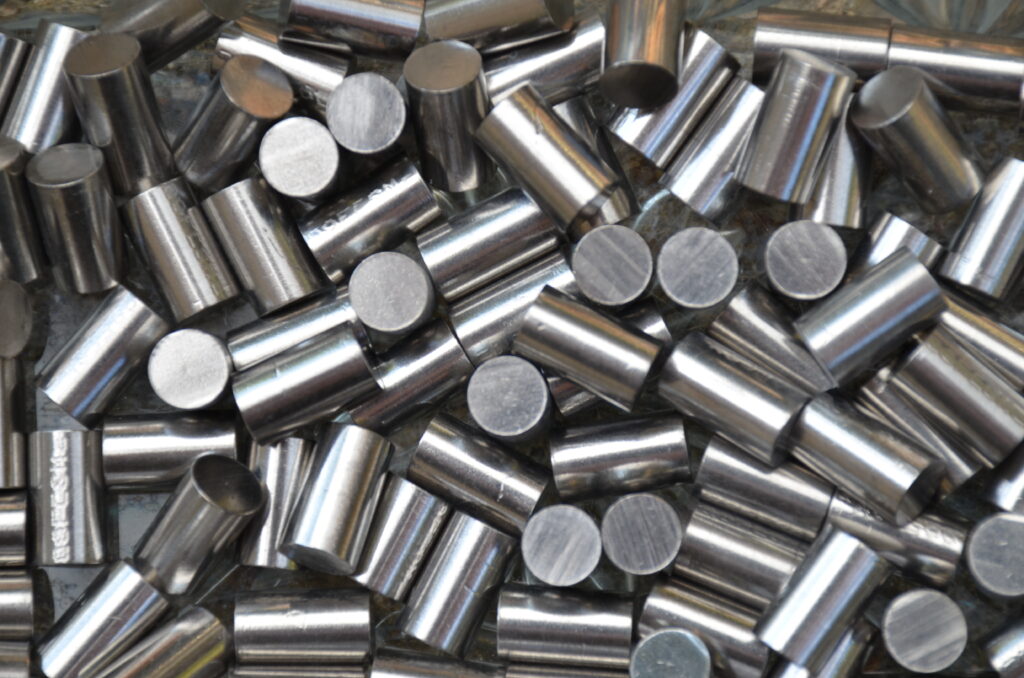
Nickel-based, cobalt-based and titanium superalloys generate high-value revert material in the form of:
- Machined turnings
- Swarf and fines
- Offcuts and solids
- Grinding residues
However, machining introduces contamination from:
- Cutting oils
- Coolants
- Lubricants
- Greases
- Carbon-based surfactants
If not properly removed before remelting, these contaminants increase carbon, sulphur and oxygen levels, affecting melt yield and compliance with aerospace specifications.
Why Superalloy Degreasing Is Critical Before VIM & VAR
Aerospace-grade superalloys are commonly remelted using:
- Vacuum Induction Melting (VIM)
- Vacuum Arc Remelting (VAR)
- Electron Beam Melting (EBM)
Residual hydrocarbons burn off during melting and can:
- Elevate surface carbon levels
- Introduce sulphur contamination
- Generate excessive furnace smoke
- Reduce vacuum stability
- Affect grain structure and mechanical performance
Guidance from ASTM International and aerospace material governance frameworks referenced by NASA emphasises contamination control in high-performance alloy processing.
For aerospace revert alloys, degreasing is a quality assurance step, not a waste-treatment activity.
Industrial Superalloy Swarf Degreasing Systems
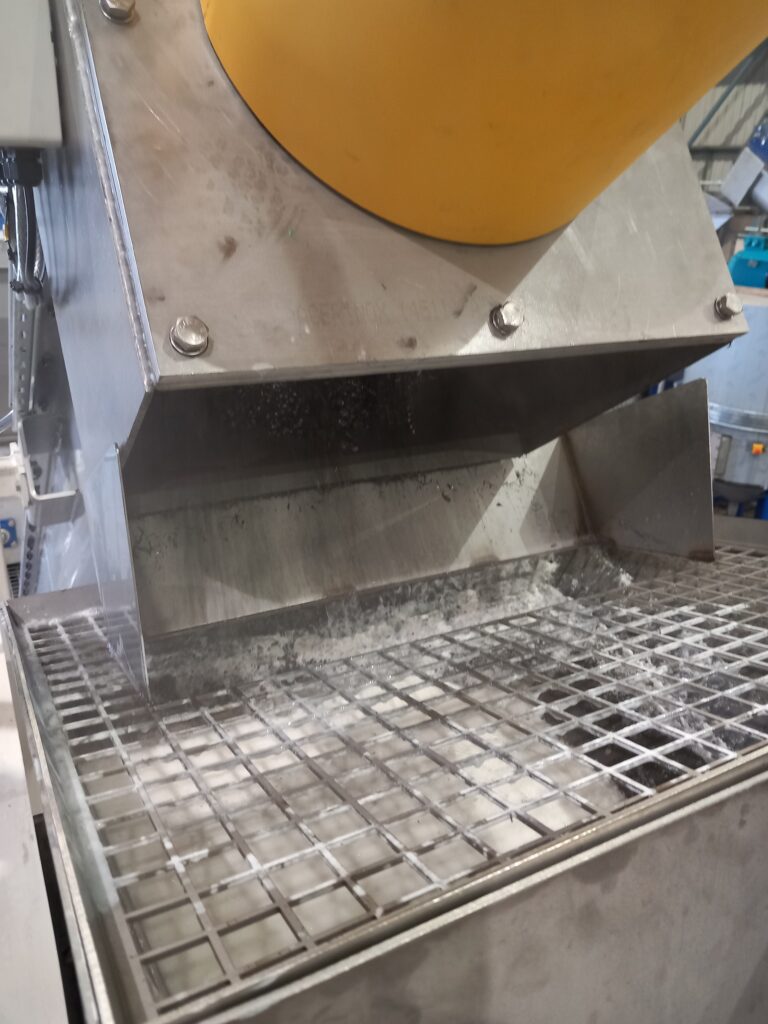
Dedicated industrial swarf washing systems are engineered specifically to prepare revert alloys for vacuum melting.
Swarf Degreasing Systems
https://degreasingmachines.com/swarf-degreasing/
These systems are designed to:
- Remove bound hydrocarbons from alloy surfaces
- Reduce carbon carryover into VIM furnaces
- Lower sulphur contamination risk
- Improve melt chemistry consistency
- Increase revert resale value
Unlike centrifuges, which primarily remove free oil, full aqueous swarf washing systems actively clean the metal surface — targeting carbon-based residues that influence melt chemistry.
Supporting Equipment for Complete Revert Preparation
For aerospace-grade superalloy recycling, a full system may include:
Metal Turnings Pre-Washer
https://degreasingmachines.com/metal-turnings-pre-washer/
Removes heavy contamination prior to final degreasing stages.
Centrifuge Systems
https://degreasingmachines.com/centrifuge/
Suitable for reducing free oil where carbon limits are less critical, or as a pre-treatment stage.
Integrated Metal Turnings Recycling Systems
https://degreasingmachines.com/metal-turnings-recycling/
Complete systems combining washing, drying and material handling to optimise revert processing.
The Science Behind Carbon Reduction in Revert Alloys
Machining oils often contain hydrocarbon-based surfactants. If inadequately rinsed, these residues:
- Increase surface carbon content
- Alter melt pool chemistry
- Require longer furnace degassing
- Reduce melt yield
Effective swarf degreasing systems use:
- Controlled aqueous chemistry
- Elevated wash temperatures
- Mechanical agitation
- High-efficiency rinsing
- Controlled drying
This combination significantly reduces carbon and sulphur carryover into vacuum melting.
Centrifuge vs Full Swarf Washing – Aerospace Perspective
| Feature | Centrifuge | Full Swarf Washing System |
| Removes Free Oil | Yes | Yes |
| Removes Bound Hydrocarbons | Limited | Yes |
| Carbon Reduction Capability | Moderate | High |
| Suitable for Aerospace Melt Specs | Sometimes | Yes |
| Melt Yield Improvement | Moderate | Significant |
For aerospace revert alloys where carbon thresholds are tightly controlled, full aqueous degreasing provides superior contamination control.
Environmental & ESG Impact
Superalloy recycling combined with proper degreasing delivers:
- Reduced reliance on virgin alloy production
- Lower CO₂ footprint
- Reduced oil burn-off emissions
- Improved furnace efficiency
- Enhanced sustainability reporting
As aerospace OEMs pursue carbon reduction strategies, clean revert preparation becomes strategically essential.
Industries That Require Aerospace-Grade Superalloy Degreasing
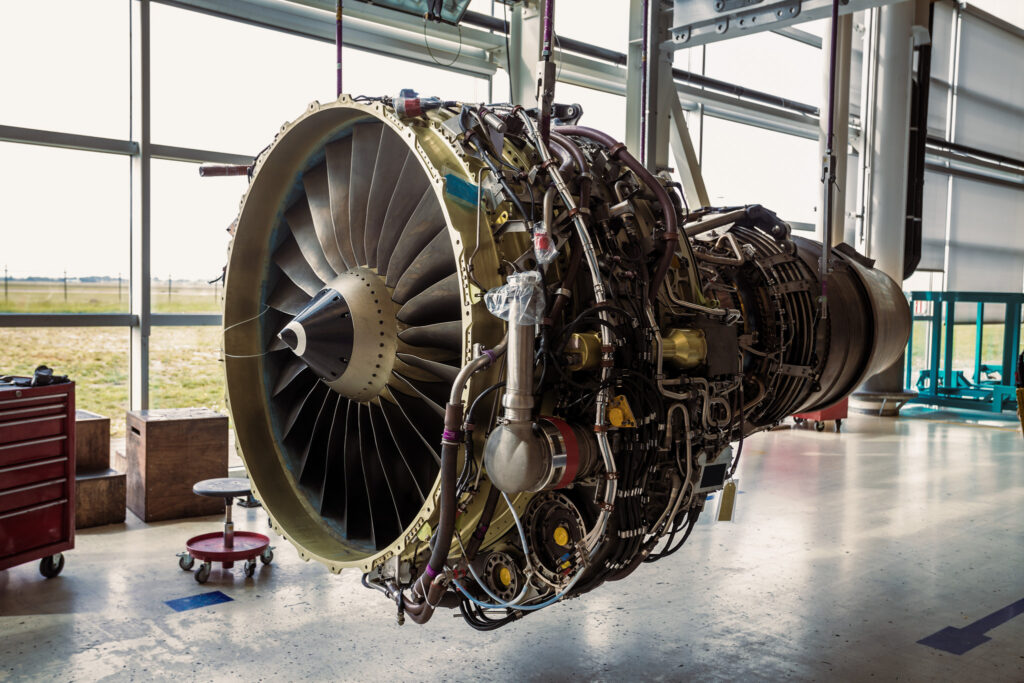
- Aerospace engine manufacturers
- Defence contractors
- Turbine and power generation OEMs
- Medical implant producers
- Superalloy scrap processors
- Precision machining companies
Where alloy chemistry must meet stringent melt specifications, contamination control is critical.
Why Choose Rotajet for Superalloy Recycling & Degreasing?
Rotajet systems provide:
Rotajet designs and manufactures industrial swarf degreasing systems specifically for high-value metal recovery applications.
- Controlled aqueous chemistry systems
- Carbon-reduction-focused washing processes
- Integrated drying for hydrogen control
- Modular scalable layouts
- Proven aerospace revert preparation capability
For facilities preparing revert alloys for VIM, VAR or EBM melting, Rotajet systems provide the engineered control required to maintain chemistry integrity.
Frequently Asked Questions
How do you reduce carbon in superalloy turnings?
Carbon levels are reduced by removing hydrocarbon-based machining oils using controlled aqueous swarf washing systems rather than centrifuging alone.
Is centrifuging enough before vacuum melting?
Centrifuges remove free oil but may leave surface-bound hydrocarbons. For aerospace melt specifications, full washing and rinsing systems provide superior carbon reduction.
Why is degreasing revert alloys important before VIM?
Residual hydrocarbons burn off during melting, increasing carbon and sulphur levels and reducing melt efficiency.
Can industrial swarf washing improve melt yield?
Yes. Proper degreasing reduces contamination, improves furnace stability and increases melt yield consistency.
Visit Degreasing Machines to find out more or get in contact with us.