How Briquetting Technology Increases Scrap Value and Improves Recycling Efficiency
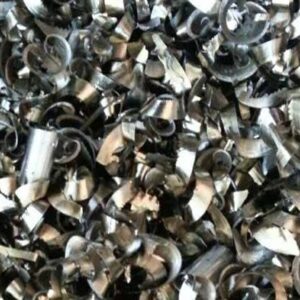
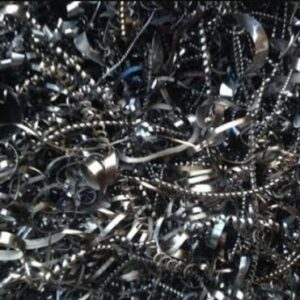
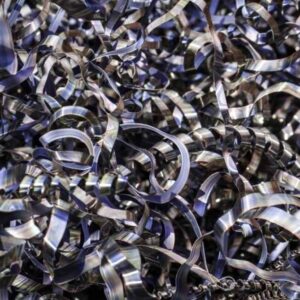
Manufacturers across the aerospace, automotive, defence, engineering and metal processing sectors generate significant quantities of metal swarf every day. While this material often contains valuable metals such as aluminium, stainless steel, titanium, Inconel® and nickel alloys, its true value is frequently reduced by the way it is handled and stored.
Loose swarf occupies considerable floor space, can retain cutting oils and coolants, and often results in increased transportation and disposal costs. For businesses looking to maximise the value of their machining waste, investing in a briquette press can deliver substantial financial and operational benefits.
As part of Rotajet’s Metal Recovery Campaign, we are highlighting how a modern metal briquette press can help manufacturers recover more value from their scrap metal while creating a cleaner and more efficient recycling process.


What is a Briquette?
A briquette is a dense, compressed block of metal swarf produced using high-pressure briquetting technology. During the briquetting process, loose metal turnings, chips and swarf are compacted into a solid form that is easier to handle, transport and recycle.
The resulting briquette typically contains significantly less trapped air than loose swarf, creating a product that is more attractive to recyclers and remelters. Depending on the material being processed, the briquetting process can also recover residual cutting oils and coolants, providing an additional opportunity to reduce waste and improve sustainability.
Why Invest in a Metal Briquette Press?
Many manufacturers focus on improving machining efficiency but overlook the value that can be recovered from their metal waste streams. A metal briquette press provides several important advantages:
- Increased scrap value
- Reduced storage requirements
- Lower transportation costs
- Improved handling and housekeeping
- Recovery of cutting oils and coolants
- Reduced oxidation of valuable metals
- Improved remelting performance
- Enhanced recycling efficiency
By converting loose swarf into dense briquettes, businesses can often achieve higher returns from their recyclable materials while reducing the logistical challenges associated with waste management.
How a Briquette Press Works
A briquette press uses hydraulic pressure to compress metal swarf into uniform cylindrical or rectangular briquettes. The process begins with the loading of loose material into the machine’s feed system.
Once inside the press chamber, powerful hydraulic forces compact the material into a dense briquette. During compression, residual oils and coolants can be separated from the swarf and collected for reuse or disposal.
The finished briquette is then automatically discharged and can be stored, transported or prepared for remelting.
This simple but highly effective process enables manufacturers to transform low-density machining waste into a valuable secondary raw material.
Suitable Materials for Briquetting
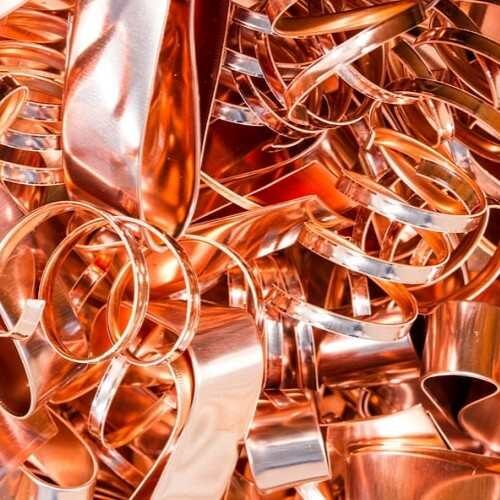
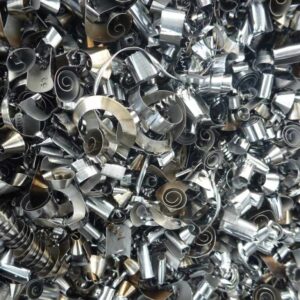
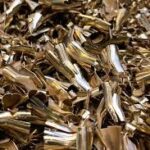
Rotajet briquetting systems can process a wide range of ferrous and non-ferrous metals, including:
Industries Benefiting from Briquette Technology
Demand for briquette presses continues to grow across multiple sectors where material value and recycling efficiency are critical.
These include:
- Aerospace Manufacturing
- Automotive Production
- Defence Engineering
- Precision Engineering
- Medical Device Manufacturing
- Nuclear Manufacturing
- Metal Recycling
- Superalloy Processing
For organisations machining expensive materials such as titanium and nickel alloys, briquetting can play an important role in maximising material recovery and reducing overall production costs.
Rotajet Metal Briquette Press Solutions
Rotajet designs and manufactures industrial equipment that helps businesses recover more value from their waste materials. Our metal briquette press systems are engineered for reliability, ease of operation and long-term performance.
Each installation can be tailored to suit material type, throughput requirements and site constraints. Whether operating as a standalone unit or integrated into a complete swarf processing line, Rotajet briquetting equipment helps create a more efficient and profitable recycling process.
Free Material Trials
Every application is different. Material characteristics, oil contamination levels, chip size and throughput requirements all influence the most suitable briquetting solution.
That’s why Rotajet offers free material trials.
Simply send us a representative sample and our engineers will evaluate:
- Briquette density and quality
- Oil recovery performance
- Suitable equipment configuration
- Estimated throughput
- Return on investment potential
Learn More
To discover how a Rotajet metal briquette press can increase scrap value, reduce waste handling costs and improve recycling efficiency, contact our engineering team today.
Our specialists can assess your material and recommend the most effective briquetting solution for your operation.